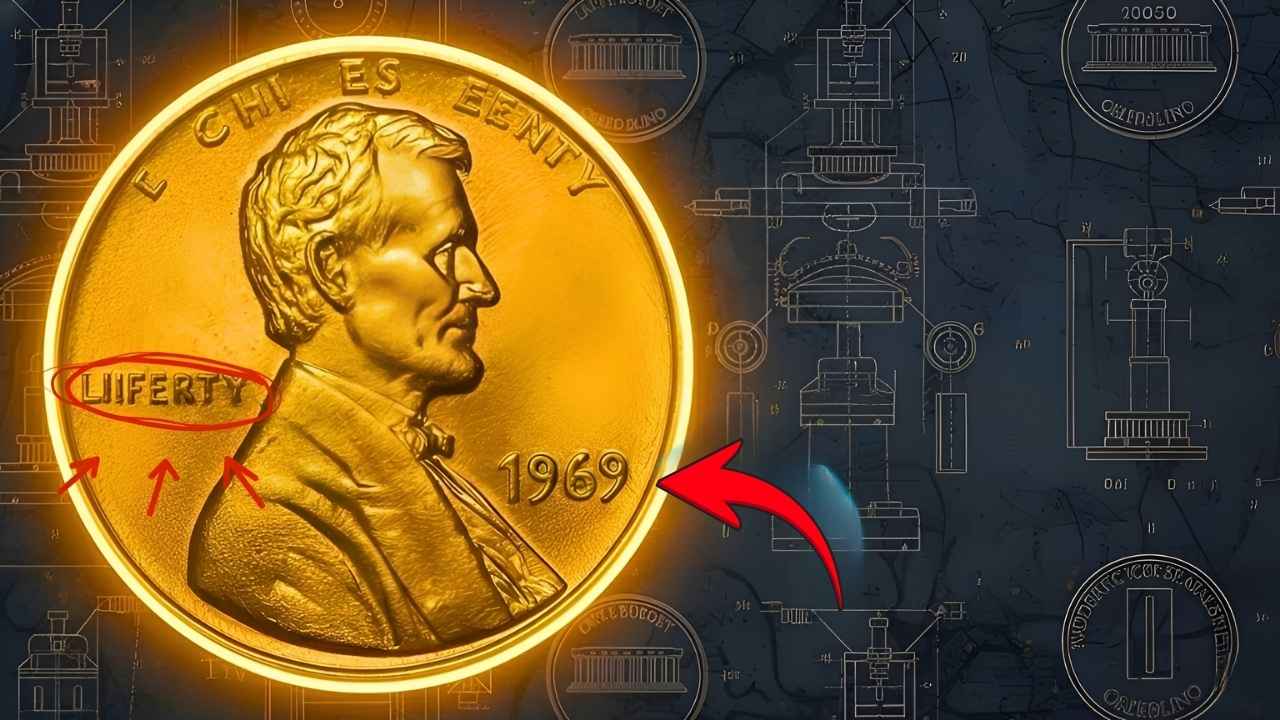
Wheat Penny Worth Guide : The Wheat Penny, officially known as the Lincoln Wheat Cent, is one of the most beloved coins among collectors. First minted in 1909, it features the portrait of Abraham Lincoln on the obverse and two wheat stalks on the reverse. For decades, these coins circulated widely across the United States, becoming a familiar part of everyday life. Today, Wheat Pennies are more than just old coins; they are historical artifacts that can hold significant value depending on rarity, condition, and demand.
The Origins of the Wheat Penny
The Wheat Penny was introduced in 1909 to commemorate the centennial of Abraham Lincoln’s birth. Designed by Victor David Brenner, it was the first U.S. coin to feature a real person rather than a symbolic figure. The reverse design with two wheat stalks symbolized prosperity and growth.
The coin was minted from 1909 until 1958, after which the reverse design was replaced by the Lincoln Memorial. During its nearly fifty years of production, the Wheat Penny became a staple of American currency and remains a favorite among collectors today.
Key Dates and Rare Varieties
Not all Wheat Pennies are created equal. Some dates and mint marks are far rarer than others, making them highly valuable.
- 1909‑S VDB: One of the most famous Wheat Pennies, produced in San Francisco with the designer’s initials “VDB” on the reverse. Only a limited number were minted, making it extremely rare and valuable.
- 1914‑D: Another key date, minted in Denver, with low production numbers. High‑grade examples can fetch thousands of dollars.
- 1922 No D: A variety where the Denver mint mark was accidentally omitted, creating a rare and sought‑after coin.
- 1931‑S: With a low mintage, this coin is prized by collectors, especially in uncirculated condition.
- 1955 Doubled Die: Famous for its dramatic doubling on the obverse lettering, this error coin is one of the most popular varieties among collectors.
These rare dates and varieties highlight the importance of examining coins carefully, as even small details can dramatically affect value.
Condition and Grading
The value of a Wheat Penny is heavily influenced by its condition. Coins are graded on a scale ranging from poor to mint state. A coin that has been heavily circulated may only be worth a few cents, while one in pristine condition can be worth hundreds or even thousands of dollars.
Professional grading services provide certification that assures authenticity and condition. Collectors often seek coins that are graded and encapsulated, as these are easier to trade and hold higher market value.
Historical Value and Collectors’ Appeal
Beyond monetary worth, Wheat Pennies carry historical significance. They represent a period of American history marked by economic growth, world wars, and cultural change. Collectors appreciate them not only for their rarity but also for the stories they tell.

The design itself is iconic, with Lincoln’s portrait symbolizing leadership and the wheat stalks representing prosperity. For many collectors, owning Wheat Pennies is a way to connect with the past and preserve a piece of history.
Market Trends in 2026
As of 2026, the market for Wheat Pennies remains strong. Common dates in circulated condition are still affordable, often selling for a few cents to a dollar. However, rare dates and varieties continue to appreciate in value.
High‑grade examples of key dates such as the 1909‑S VDB or the 1914‑D can sell for thousands of dollars at auctions. Error coins like the 1955 doubled die remain popular, with prices reflecting their rarity and demand. Collectors and investors alike view Wheat Pennies as stable assets that hold long‑term value.
How to Identify Valuable Wheat Pennies
Identifying valuable Wheat Pennies requires attention to detail. Collectors should look for mint marks, which indicate where the coin was produced. Coins from the San Francisco and Denver mints are often rarer than those from Philadelphia.
Errors such as doubled dies, off‑center strikes, or missing mint marks can also increase value. Condition is equally important, with coins showing sharp details and minimal wear commanding higher prices.
Collecting Wheat Pennies
For new collectors, Wheat Pennies offer an accessible entry point into numismatics. They are relatively easy to find, affordable, and historically significant. Building a collection can involve acquiring common dates, key dates, and rare varieties.
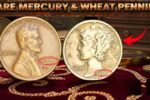
Experienced collectors often focus on completing sets by year and mint mark. Others seek out high‑grade examples or error coins. Regardless of approach, collecting Wheat Pennies is a rewarding hobby that combines history, art, and investment.
Investment Potential
While coin collecting is primarily a passion, Wheat Pennies also hold investment potential. Their value has remained stable over time, and rare varieties continue to appreciate. Coins in high grades or with unique errors are especially attractive to investors.
Investing in Wheat Pennies requires knowledge and patience, but the rewards can be significant. A single rare coin discovered in a collection could be worth enough to make a meaningful financial impact.
Conclusion
The Wheat Penny is more than just a coin; it is a piece of American history that continues to captivate collectors. From the iconic 1909‑S VDB to the famous 1955 doubled die, rare varieties can be worth thousands of dollars. Condition, rarity, and historical significance all play a role in determining value.

As of 2026, Wheat Pennies remain popular among collectors and investors, offering both enjoyment and financial rewards. Whether you are a seasoned numismatist or a beginner searching through pocket change, Wheat Pennies provide a fascinating journey into the past and a chance to discover hidden treasures.