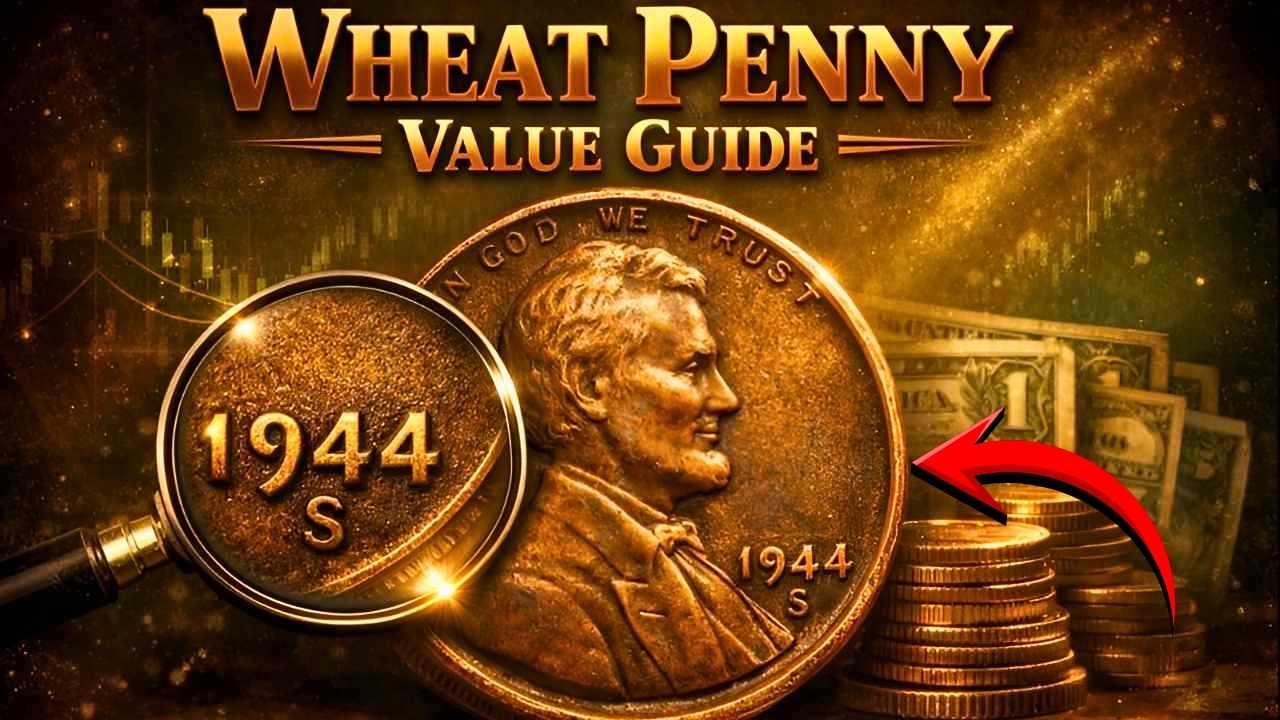
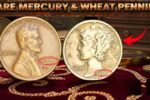
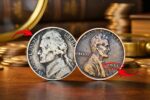
The Wheat Penny, officially known as the Lincoln Wheat Cent, is one of the most beloved coins in American numismatics. Minted from 1909 to 1958, it features Abraham Lincoln on the obverse and two wheat stalks on the reverse. For decades, these pennies circulated widely, but today they are prized collectibles. Their values have shifted dramatically over time, influenced by rarity, condition, and collector demand. In 2026, many enthusiasts are curious about how Wheat Penny values compare to what they were a decade ago. This guide explores the history, key dates, mint marks, and value trends that make Wheat Pennies timeless treasures.
The History of the Wheat Penny
The Wheat Penny was introduced in 1909 to commemorate the centennial of Abraham Lincoln’s birth. Designed by Victor David Brenner, it was the first U.S. coin to feature a real person rather than a symbolic figure. The reverse design with two wheat stalks symbolized prosperity and growth. Over the years, the coin underwent minor changes but remained in circulation until 1958, when it was replaced by the Lincoln Memorial Cent. Today, Wheat Pennies are cherished for their historical significance and nostalgic appeal.
Key Dates and Rarities
1909‑S VDB
The 1909‑S VDB is the most famous Wheat Penny. With only 484,000 minted in San Francisco, it is extremely rare and highly valuable. Collectors prize it as the cornerstone of any Wheat Penny collection.
1914‑D
The Denver issue of 1914 is another key rarity. With a low mintage and limited survival rate, it commands strong premiums, especially in higher grades.
1922 No D
The 1922 No D variety is a fascinating error. Produced in Denver, some coins were struck without the mint mark, making them rare and desirable.
1931‑S
The San Francisco issue of 1931 had a low mintage of just under one million. It is scarce compared to surrounding years and valued accordingly.
1943 Steel Penny
During World War II, copper was needed for the war effort, so pennies were struck in steel. These coins are unique in appearance and collectible, though not as rare as other key dates.
1955 Double Die
The 1955 double die is one of the most famous error coins in U.S. history. The doubled lettering on the obverse makes it instantly recognizable and highly sought after.

Mint Marks and Their Importance
Mint marks are small letters on coins that indicate where they were produced. For Wheat Pennies, mint marks include D (Denver), S (San Francisco), and no mark for Philadelphia. Collectors pay close attention to mint marks, as they often determine rarity and value. Coins from San Francisco and Denver with low mintages are especially prized. Understanding mint marks is essential for evaluating Wheat Pennies.
Value Trends Over the Last Decade
A decade ago, Wheat Pennies were already popular among collectors, but values have risen significantly since then. In 2016, a common Wheat Penny in average circulated condition was worth only a few cents above face value. Today, even common dates in good condition can fetch a dollar or more. Rare varieties such as the 1909‑S VDB and 1914‑D have seen dramatic increases, with auction prices reaching tens of thousands. Error coins like the 1955 double die continue to set records. The overall trend shows steady growth, driven by increased interest in tangible assets and historical collectibles.
Factors Influencing Value
Condition
Condition plays a critical role in determining value. Coins graded Mint State with sharp details are worth far more than circulated examples. Collectors seek coins with minimal wear and strong eye appeal.
Rarity
Low mintage and error varieties are naturally rarer and command higher prices. Key dates remain the most valuable.
Demand
Collector demand drives prices. As more people enter the hobby, values rise. Nostalgia and historical interest also fuel demand.
Metal Content
While Wheat Pennies are primarily valued for rarity, their copper content adds intrinsic value. Rising metal prices can influence overall worth.
Collectors Tips and Strategies
Learn the Key Dates
Understanding which years and mint marks are rare is essential. The 1909‑S VDB, 1914‑D, and 1955 double die are among the most important.
Focus on Condition
Condition plays a critical role in value. Coins graded Mint State are worth far more than circulated examples. Avoid cleaning coins, as this can reduce their value significantly.
Buy from Reputable Sources
Authenticity is crucial. Always purchase from trusted dealers, auction houses, or certified coin shows. Counterfeits exist, especially for rare dates, so certification provides peace of mind.
Diversify Your Collection
Consider collecting a mix of common Wheat Pennies, rare varieties, and error coins. This approach balances affordability with long‑term investment potential.

Preserve and Protect
Proper storage is essential to maintain value. Use protective holders or albums to prevent damage. Store coins in a cool, dry environment to avoid tarnish or corrosion.
The Cultural Significance of Wheat Pennies
Beyond monetary value, Wheat Pennies hold cultural importance. They represent a period of American history marked by growth, struggle, and resilience. Collectors admire them not only as financial assets but also as pieces of art and heritage. Owning a Wheat Penny is like holding a fragment of America’s past, connecting generations through shared history.
Key Highlights
- The Wheat Penny was minted from 1909 to 1958 and designed by Victor David Brenner.
- Rare varieties such as the 1909‑S VDB, 1914‑D, and 1955 double die are highly valuable.
- Mint marks from Denver and San Francisco play a crucial role in rarity.
- Values have risen significantly over the last decade, with rare coins setting auction records.
- Condition, rarity, and demand are key factors influencing value.
- Collectors should focus on authenticity, preservation, and diversification.
Final Words
The Wheat Penny Value Guide 2026 shows that these coins are more than just currency; they are treasures of history, artistry, and culture. From rare key dates to famous error varieties, Wheat Pennies offer collectors opportunities to discover hidden gems worth thousands. For enthusiasts, the journey of building a Wheat Penny collection is both rewarding and educational, offering a chance to preserve history while investing in tangible assets. As values continue to rise compared to a decade ago, Wheat Pennies remain timeless collectibles that inspire fascination and remind us that extraordinary worth can be found in the smallest pieces of metal.