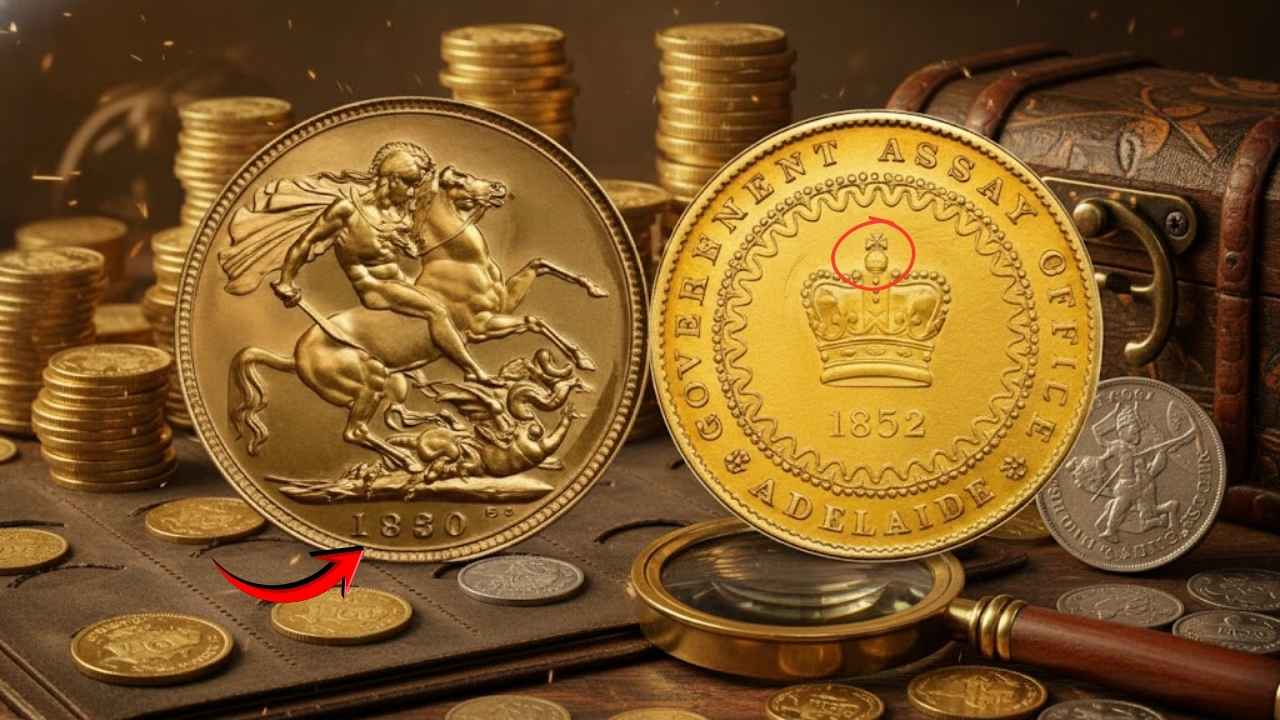
Gold Sovereign and Half‑Sovereign coins are among the most iconic pieces of British coinage. First introduced in the early 19th century, these coins have become symbols of heritage, craftsmanship, and investment value. Collectors and investors alike prize them for their historical significance, gold content, and rarity. In 2026, the market for Sovereigns and Half‑Sovereigns remains strong, with rare dates and mint marks commanding impressive premiums. This guide explores their history, varieties, and current value trends, offering insights for collectors and investors.
The History of Gold Sovereigns
The Gold Sovereign was first minted in 1817 under King George III. It quickly became a trusted coin across the British Empire, known for its consistent weight and purity. Featuring designs such as St. George slaying the dragon, the Sovereign became both a circulating coin and a symbol of British prestige. Over time, Sovereigns were minted in London and branch mints across the empire, including Australia, South Africa, and Canada.

The Half‑Sovereign Coin
The Half‑Sovereign, introduced alongside the Sovereign, contained half the gold content but retained the same artistry and prestige. While less common in circulation, Half‑Sovereigns were popular for smaller transactions and remain highly collectible today. Their lower weight makes them more affordable for new collectors, yet rare varieties can be worth significant sums.
Key Varieties and Rare Dates
Early Sovereigns (1817–1830s)
Early Sovereigns from the reign of George III and George IV are scarce, especially in high grades. These coins are highly prized by collectors.

Victorian Sovereigns
Queen Victoria’s reign produced numerous Sovereigns, including the famous “Young Head,” “Jubilee Head,” and “Old Head” designs. Rare mint marks from branch mints add to their value.
Edward VII Sovereigns
Coins from Edward VII’s reign (1902–1910) are collectible, with certain mint marks commanding strong premiums.
George V Sovereigns
Minted from 1911 to 1932, George V Sovereigns include rare issues from branch mints such as Pretoria and Sydney.
Modern Sovereigns
Since 1957, Sovereigns have been reintroduced as bullion and collector coins. Modern proof Sovereigns remain popular, with limited editions commanding high prices.
Rare Half‑Sovereigns
Half‑Sovereigns from the early 19th century and Victorian era are especially scarce. Their smaller mintage makes them rarer than full Sovereigns, and high‑grade examples can be worth thousands.
Why Sovereigns and Half‑Sovereigns Are Valuable
The value of these coins is determined by gold content, rarity, condition, and demand. While bullion Sovereigns are valued primarily for their gold, rare dates and mint marks can be worth far more than their intrinsic value. Collectors prize these coins for their artistry and historical significance, while investors appreciate their role as a hedge against inflation.
Condition and Grading
Condition plays a crucial role in determining value. Coins are graded on a scale from Poor to Mint State 70. High‑grade examples with sharp details and flawless surfaces are worth significantly more than circulated coins. Professional grading services provide authentication and grading, ensuring collectors can trust their purchases.
Market Value in 2026
As of 2026, the market for Sovereigns and Half‑Sovereigns remains strong. Rising gold prices have boosted the value of bullion coins, while rare varieties continue to attract collectors worldwide. Auction records show increasing demand for Victorian and Edwardian Sovereigns, as well as rare Half‑Sovereigns. Modern proof issues also remain popular, with limited editions selling out quickly.

Investment Potential
Gold Sovereigns and Half‑Sovereigns are not only collectibles but also alternative investments. Their value is driven by scarcity, demand, and historical significance. Investors who focus on certified coins with high grades often see steady appreciation over time. While not every Sovereign will yield significant returns, rare varieties and pristine examples offer both historical charm and financial potential.
Collecting Tips
For those interested in collecting Sovereigns and Half‑Sovereigns, start by purchasing affordable bullion examples to understand the series. Look for unusual features such as rare mint marks or proof finishes. Handle coins carefully to avoid damage, and consider professional grading for coins that appear rare or flawless. Joining coin clubs or online forums can also provide valuable insights and connections with other collectors.

Key Highlights
- Gold Sovereigns were first minted in 1817 under King George III
- Half‑Sovereigns contain half the gold content but are rarer in many cases
- Rare varieties include Victorian designs, Edward VII issues, and branch mint coins
- Condition and professional grading are essential for determining value
- The rare coin market in 2026 continues to thrive globally
- Sovereigns and Half‑Sovereigns serve as both collectibles and investments
Final Words
Gold Sovereigns and Half‑Sovereigns remain timeless symbols of British coinage. From the artistry of Victorian designs to the rarity of branch mint issues, these coins continue to inspire collectors and investors alike. Their rarity and condition make them prized possessions, with values that can reach impressive heights. In 2026, they prove that coins minted centuries ago still hold extraordinary worth. Whether you are a beginner seeking bullion examples or an experienced numismatist searching for rare varieties, Sovereigns and Half‑Sovereigns stand as enduring reminders of how currency can embody both history and value.