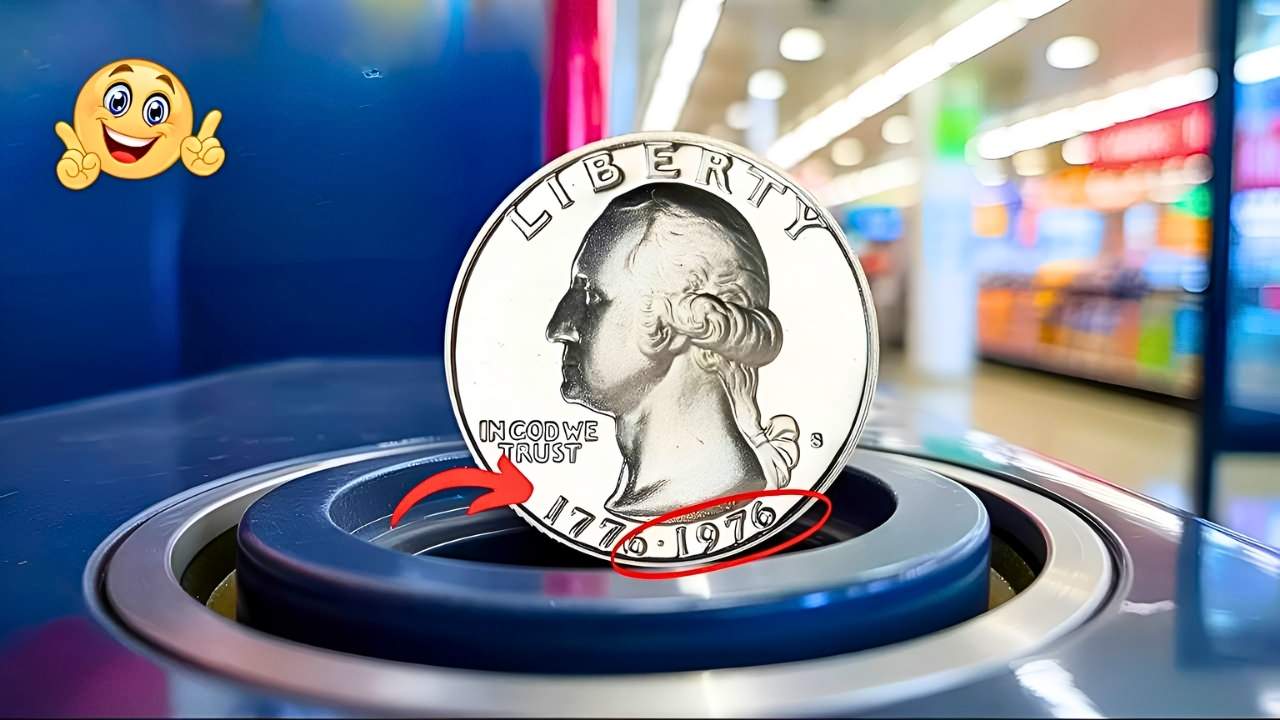
Bicentennial Quarters Value Guide : In 1976, the United States celebrated its 200th anniversary of independence, and the U.S. Mint marked the occasion with a special coinage program. Among the most memorable releases was the Bicentennial Quarter, featuring a unique reverse design that set it apart from the traditional Washington Quarter. While millions were produced, some Bicentennial Quarters have become highly collectible and can be worth far more than their face value. For coin enthusiasts and casual collectors alike, understanding the value of these quarters today is both fascinating and potentially rewarding.
The Story Behind Bicentennial Quarters
The Bicentennial Quarter was introduced as part of a larger program that included commemorative half dollars and dollars. The reverse design, created by Jack L. Ahr, depicts a colonial drummer with a torch surrounded by thirteen stars, symbolizing the original colonies. This design was chosen through a national competition and remains one of the most iconic in American coinage.
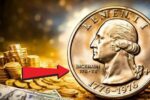
Unlike regular quarters, Bicentennial Quarters were minted with the dual date “1776–1976” to honor the nation’s founding. They were produced in large numbers at the Philadelphia, Denver, and San Francisco mints, ensuring widespread circulation.
Circulated vs. Uncirculated Quarters
Most Bicentennial Quarters found in circulation today are worth only their face value. However, uncirculated examples, especially those preserved in mint sets or proof sets, can be worth significantly more. Condition plays a crucial role in determining value. Coins that show little to no wear, with sharp details and original luster, are prized by collectors.
Proof versions, struck at the San Francisco Mint, are particularly valuable. These coins were produced with polished dies and special blanks, resulting in mirror‑like finishes and exceptional detail. Collectors often seek these proof quarters as part of complete Bicentennial sets.
Silver Bicentennial Quarters
One of the most exciting aspects of Bicentennial Quarters is the existence of silver versions. The U.S. Mint produced special 40 percent silver quarters for collectors, available in proof and uncirculated sets. These silver coins are far rarer than their copper‑nickel counterparts and command higher prices on the market.
As of 2026, silver Bicentennial Quarters in pristine condition can be worth several dollars each, with proof examples fetching even more. Their value is influenced not only by rarity but also by the price of silver, making them appealing to both coin collectors and investors.
Error Varieties and Rare Finds
Error coins are always a highlight for collectors, and Bicentennial Quarters are no exception. Some quarters were struck with doubled dies, off‑center strikes, or other minting mistakes. These errors create unique variations that are highly sought after.
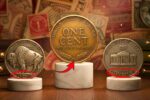
For example, a Bicentennial Quarter with a doubled die obverse, where the lettering or details appear doubled, can be worth hundreds of dollars depending on condition. Off‑center strikes, where the design is misaligned, are also valuable. Such coins are rare and often discovered by sharp‑eyed collectors examining their change.
Market Value in 2026
The value of Bicentennial Quarters in 2026 varies widely depending on type and condition. Circulated copper‑nickel quarters generally remain at face value, while uncirculated examples can range from a few dollars to over twenty dollars. Proof coins, especially silver proofs, are worth more, often selling for thirty dollars or higher depending on grade.
Error coins and rare varieties can command hundreds or even thousands of dollars. Collectors are willing to pay premium prices for coins that are unique or exceptionally well preserved. The market for Bicentennial Quarters remains strong, fueled by nostalgia and the enduring appeal of commemorative coinage.
Collecting Bicentennial Quarters
For new collectors, Bicentennial Quarters offer an accessible entry point into numismatics. They are easy to find, affordable, and historically significant. Building a collection can involve acquiring circulated examples, uncirculated mint sets, proof sets, and silver versions.
Experienced collectors often focus on high‑grade coins or rare error varieties. Professional grading services can certify coins, providing assurance of authenticity and condition. A graded Bicentennial Quarter in mint state or proof condition is more valuable and easier to sell.
Investment Potential
While coin collecting is primarily a hobby, Bicentennial Quarters also hold investment potential. Their value has remained stable over the years, and rare varieties continue to appreciate. Silver versions, in particular, benefit from fluctuations in precious metal prices.
Investors should view these coins as part of a diversified collection rather than a sole investment strategy. However, owning rare or high‑grade Bicentennial Quarters can provide both enjoyment and financial rewards.
Cultural Significance
Beyond their monetary value, Bicentennial Quarters carry cultural importance. They symbolize America’s 200th anniversary and reflect the pride of a nation celebrating its history. The colonial drummer design is a reminder of the Revolutionary War and the sacrifices made for independence.
For many collectors, these coins are cherished not just for their rarity but for the story they tell. They represent a moment in time when the nation came together to honor its past and look toward the future.
Conclusion
Bicentennial Quarters are more than just coins; they are pieces of history that continue to captivate collectors. While most are worth only face value, uncirculated, proof, silver, and error varieties can be worth much more. As of 2026, their market remains strong, with values ranging from a few dollars to thousands for rare examples.
Whether you are a seasoned collector or someone who simply enjoys searching through change, Bicentennial Quarters offer both historical significance and potential financial rewards. They remind us that sometimes the smallest items can hold the greatest value, both in dollars and in meaning.