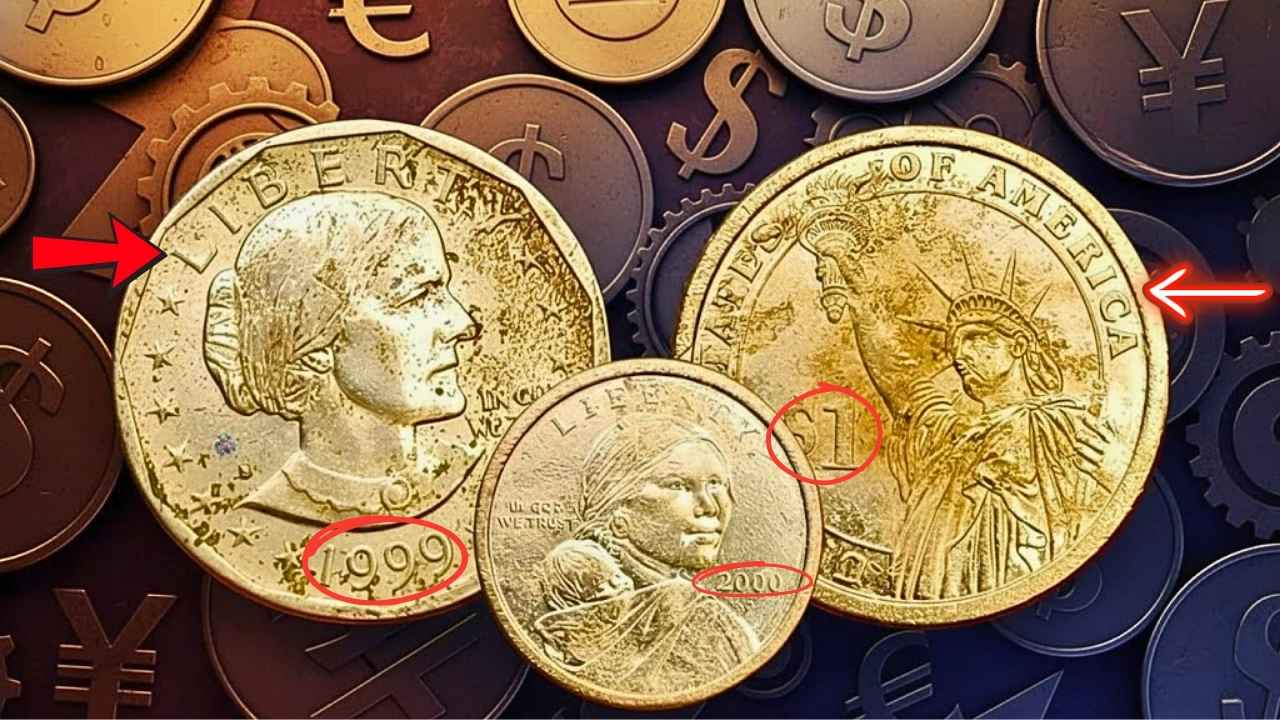
Dollar coins have long been a part of American numismatics, representing both everyday commerce and extraordinary artistry. While most dollar coins are relatively common, certain rare issues have become legendary among collectors. These coins, often tied to historical events, minting errors, or limited production runs, can be worth thousands or even millions of dollars today. This guide explores ten ultra rare dollar coins that stand out as treasures, offering insights into their history, rarity, and value.
The 1794 Flowing Hair Dollar
The 1794 Flowing Hair Dollar is considered the very first silver dollar struck by the United States Mint. Its design features Liberty with flowing hair on the obverse and an eagle on the reverse. Extremely rare and historically significant, high‑grade examples have sold for millions of dollars at auction. Collectors prize this coin as the beginning of America’s silver dollar tradition.
The 1804 Draped Bust Dollar
Known as the “King of American Coins,” the 1804 Draped Bust Dollar is one of the most famous rarities in numismatics. Although dated 1804, most were actually struck decades later as presentation pieces. Only a handful exist, and they have fetched millions in sales. Its mystique and scarcity make it a centerpiece in any discussion of rare dollar coins.
The 1870‑S Seated Liberty Dollar
The 1870‑S Seated Liberty Dollar is another legendary rarity. Struck at the San Francisco Mint, only a few examples are known to exist. Its scarcity is tied to limited production and historical circumstances. Collectors consider it one of the most desirable coins in the Seated Liberty series, with values reaching hundreds of thousands of dollars.
The 1889‑CC Morgan Dollar
Morgan Dollars are beloved by collectors, and the 1889‑CC (Carson City Mint) issue is among the rarest. With a low mintage and few surviving in high grades, this coin commands strong prices. Mint State examples can sell for tens of thousands, making it a key date in the Morgan Dollar series.
The 1893‑S Morgan Dollar
Another standout in the Morgan Dollar series is the 1893‑S. With one of the lowest mintages of the series, it is extremely difficult to find in uncirculated condition. High‑grade examples are worth tens of thousands, and even circulated coins can fetch significant sums. It remains a cornerstone for serious collectors.
The 1921 Peace Dollar High Relief
The Peace Dollar was introduced in 1921 to commemorate the end of World War I. The first year featured a high‑relief design, which proved difficult to strike and was quickly modified. As a result, the 1921 High Relief Peace Dollar is highly sought after. Collectors value its artistry and rarity, with prices ranging from hundreds to thousands depending on condition.
The 1934‑S Peace Dollar
The 1934‑S Peace Dollar is another key rarity in the series. With limited mintage and strong demand, it is one of the most valuable Peace Dollars. High‑grade examples can sell for thousands, making it a must‑have for collectors of the series.
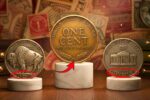
The 1972 Eisenhower Dollar Type 2 Reverse
The Eisenhower Dollar, introduced in the 1970s, may seem common, but certain varieties are rare. The 1972 Type 2 Reverse, featuring a modified Earth design, is one of the scarcest. Collectors seek this variety, and it can command strong premiums compared to regular issues.
The 2000 Sacagawea Dollar Cheerios Variety
In 2000, a special promotion placed Sacagawea Dollars in Cheerios cereal boxes. These coins featured a distinctive reverse design with enhanced details on the eagle’s tail feathers. Known as the “Cheerios Dollar,” this variety is rare and highly collectible, with values reaching thousands of dollars.
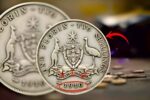
Modern Commemorative Dollar Rarities
Beyond classic issues, modern commemorative dollars also hold value. Limited‑mintage coins celebrating historical events or figures can become rare over time. Examples include special proof issues or coins struck in low numbers for collectors. While not as legendary as older rarities, they remain important in the numismatic landscape.
Collecting Tips
For those interested in rare dollar coins, here are some practical tips:
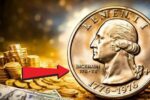
- Learn key dates and varieties to recognize valuable coins.
- Consider professional grading for authentication and protection.
- Store coins in protective holders to preserve condition.
- Follow auction results and market trends to understand current values.
- Start with affordable examples before pursuing legendary rarities.
Market Trends
The market for rare dollar coins remains strong. Auction records continue to show high demand for legendary rarities like the 1804 Draped Bust Dollar and the 1794 Flowing Hair Dollar. Morgan and Peace Dollar key dates also attract competitive bidding. Modern varieties such as the Cheerios Dollar prove that even recent issues can hold long‑term value. As interest in numismatics grows, rare dollar coins are likely to remain valuable investments.
Why These Coins Matter
Rare dollar coins are more than collectibles. They represent history, artistry, and the evolution of American coinage. Each coin tells a story, whether it is the first silver dollar, a presentation piece for dignitaries, or a modern variety discovered in a cereal box. For collectors, owning these coins is about preserving heritage and connecting with the past.
Key Highlights
- The 1794 Flowing Hair Dollar is the first U.S. silver dollar and extremely valuable.
- The 1804 Draped Bust Dollar is known as the “King of American Coins.”
- Key Morgan Dollar dates include the 1889‑CC and 1893‑S.
- Peace Dollar rarities include the 1921 High Relief and 1934‑S.
- Modern varieties like the 1972 Eisenhower Type 2 and 2000 Cheerios Sacagawea Dollar are highly collectible.
Final Words
Ultra rare dollar coins prove that numismatics is full of surprises. From early silver issues to modern varieties, these coins can transform a simple collection into a treasure trove. Their value lies not only in their monetary worth but also in the stories they tell about American history and craftsmanship. For collectors, the pursuit of these rarities is both a passion and an investment, reminding us that even small pieces of metal can carry immense significance.