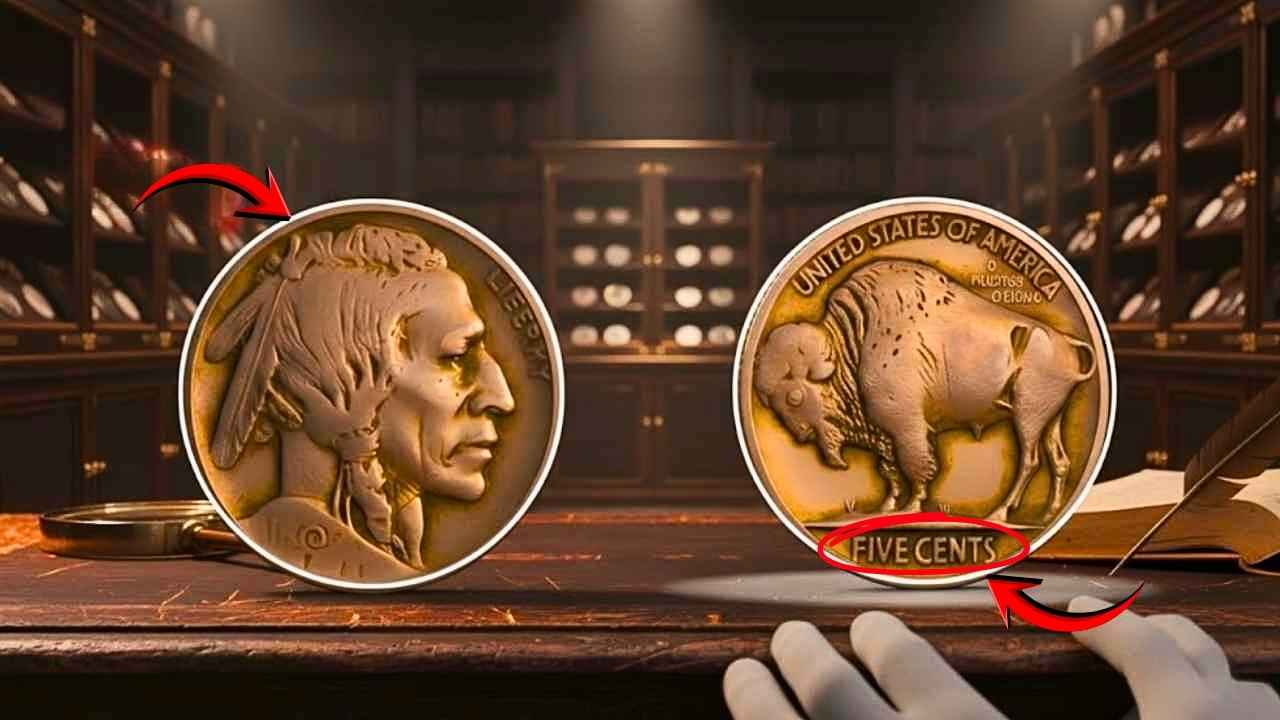
The Buffalo Nickel, also known as the Indian Head Nickel, is one of the most iconic coins in American history. Minted from 1913 to 1938, it features a Native American profile on the obverse and a majestic buffalo on the reverse. Among all the years of production, the 1937 Buffalo Nickel stands out as a fascinating piece for collectors. Its value can range from just a few cents to thousands of dollars depending on condition, rarity, and specific varieties. This guide explores the history, design, and market value of the 1937 Buffalo Nickel, helping collectors and enthusiasts understand why this small coin can be worth a fortune.
Historical Background
The Buffalo Nickel was designed by sculptor James Earle Fraser, who wanted to create a coin that represented the American West. The Native American portrait was inspired by a combination of several tribal leaders, while the buffalo on the reverse was modeled after Black Diamond, a bison that lived in the Central Park Zoo in New York. By 1937, the coin had already become a symbol of American heritage, and it was nearing the end of its production run. The following year, the Jefferson Nickel replaced it, making the 1937 issue one of the last in the series.
Design Features
The obverse of the coin shows a Native American with braided hair and feathers, accompanied by the word “LIBERTY” and the date. The reverse depicts a buffalo standing on a mound, with the words “UNITED STATES OF AMERICA” and “FIVE CENTS.” Collectors often pay close attention to details such as the sharpness of the strike, the clarity of the date, and the condition of the buffalo’s horn, which can significantly affect value.
Mint Marks and Varieties
The 1937 Buffalo Nickel was struck at three different mints:

- Philadelphia (no mint mark)
- Denver (D mint mark)
- San Francisco (S mint mark)
Each mint produced millions of coins, but the San Francisco issue is generally scarcer in higher grades. Collectors often seek out mint‑marked varieties, as they can command higher prices depending on rarity and condition.
The Famous 1937‑D Three‑Legged Nickel
One of the most legendary varieties in American coinage is the 1937‑D Three‑Legged Buffalo Nickel. This error occurred when a Denver Mint worker over‑polished a die, accidentally removing one of the buffalo’s front legs. The result was a coin that appeared to show a three‑legged buffalo. Initially unnoticed, this error became highly sought after once collectors discovered it. Today, the 1937‑D Three‑Legged Nickel is one of the most valuable coins in the series, with prices ranging from several hundred dollars in circulated condition to tens of thousands in mint state.
Value by Condition
Like most coins, the value of a 1937 Buffalo Nickel depends heavily on its condition. Collectors use the Sheldon grading scale, which ranges from Poor (P‑1) to Mint State (MS‑70).
- Circulated coins in lower grades may only be worth 50 cents to a few dollars.
- Well‑preserved examples in Fine to Extremely Fine condition can fetch $10 to $50.
- Mint State coins with sharp details and luster can sell for hundreds of dollars.
- Rare varieties such as the 1937‑D Three‑Legged Nickel can reach thousands, especially in high grades.
Collecting Tips
For those interested in collecting Buffalo Nickels, here are some practical tips:

- Always check the date and mint mark carefully, as these determine rarity.
- Look for strong details on the buffalo’s horn and tail, which are often the first to wear down.
- Consider professional grading services for valuable coins, as certification adds credibility and protects against counterfeits.
- Store coins in protective holders to prevent damage from handling or environmental factors.
Market Trends
The market for Buffalo Nickels remains strong due to their historical significance and popularity among collectors. Prices for common 1937 nickels have remained stable, while rare varieties continue to appreciate. Auction records show that high‑grade Three‑Legged Nickels consistently attract competitive bidding, making them a solid investment for numismatists.
Why Collectors Love the 1937 Buffalo Nickel
Collectors are drawn to the 1937 Buffalo Nickel for several reasons. It represents the end of an era, as the series was discontinued the following year. Its design is considered one of the most artistic in U.S. coinage. And of course, the Three‑Legged variety adds an element of mystery and excitement. Owning a 1937 Buffalo Nickel is not just about monetary value—it’s about holding a piece of American history.
Key Highlights
- The Buffalo Nickel was minted from 1913 to 1938, designed by James Earle Fraser.
- The 1937 issue was produced at Philadelphia, Denver, and San Francisco mints.
- The 1937‑D Three‑Legged Nickel is one of the most famous error coins in U.S. history.
- Values range from under a dollar for worn coins to thousands for rare varieties in mint condition.
- Collectors prize the coin for its artistry, historical significance, and investment potential.
Final Words
The 1937 Buffalo Nickel is more than just a five‑cent piece—it is a symbol of American culture, artistry, and history. Whether you own a common circulated example or a rare Three‑Legged variety, each coin tells a story of the past. For collectors, the thrill lies not only in the value but in the connection to a bygone era. As interest in numismatics continues to grow, the 1937 Buffalo Nickel will remain a cherished treasure, proving that even small coins can carry big worth.