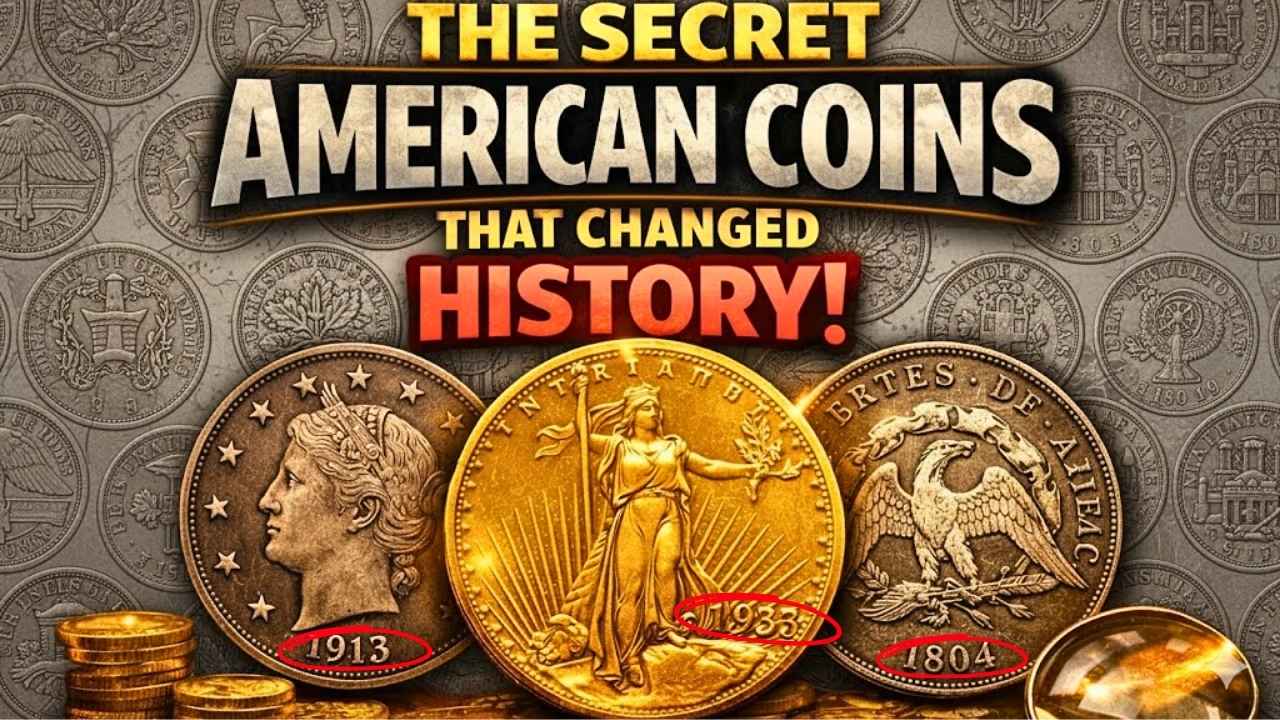
Rare American Coins are more than just pieces of metal used for transactions. They are storytellers of nations, silent witnesses to revolutions, wars, and cultural shifts. In the United States, certain rare coins have played a remarkable role in shaping history. These coins, often overlooked in everyday life, carry secrets of political change, economic transformation, and national identity. Collectors and historians alike treasure them not only for their rarity but also for the stories they embody.
The Role of Coins in American History
From the earliest colonial issues to modern commemoratives, coins have reflected the values and aspirations of the American people. They have served as tools of commerce, symbols of independence, and even instruments of propaganda. Each coin design tells a story about the era in which it was minted, whether it was the struggle for freedom, the expansion westward, or the technological progress of the twentieth century. Rare coins, in particular, highlight moments when the nation’s destiny shifted.
The 1794 Flowing Hair Dollar
One of the most iconic coins in American history is the 1794 Flowing Hair Dollar, the first silver dollar issued by the United States Mint. Its design, featuring Liberty with flowing hair, symbolized the young nation’s ideals of freedom and democracy. Only a small number were struck, making it one of the rarest and most valuable coins today. Beyond its monetary worth, it represents the birth of America’s national currency and the determination to establish financial independence.
The 1933 Double Eagle
The 1933 Double Eagle is perhaps the most famous of all rare U.S. coins. Minted during the Great Depression, nearly all of them were ordered to be melted down when the government abandoned the gold standard. A few escaped destruction, becoming legendary among collectors. The coin’s story reflects a turning point in American economic history, when the nation shifted away from gold as the foundation of its monetary system. Owning one today is not just about rarity but about holding a piece of financial revolution.

The 1913 Liberty Head Nickel
Another coin shrouded in mystery is the 1913 Liberty Head Nickel. Only five examples are known to exist, and their origins remain debated. Some believe they were struck secretly at the Mint, while others suggest they were experimental pieces. Regardless of their origin, these nickels have become symbols of intrigue and rarity. Their existence challenges our understanding of official minting practices and highlights how even small denominations can carry immense historical weight.
The 1804 Draped Bust Dollar
Known as the “King of American Coins,” the 1804 Draped Bust Dollar was not actually struck in 1804 but decades later as diplomatic gifts. Its rarity and fascinating backstory make it one of the most sought‑after coins in the world. The coin represents America’s early efforts to establish itself on the global stage, using currency not only for trade but also as a symbol of prestige and diplomacy. Collectors prize it as much for its historical significance as for its beauty.
Coins as Cultural Symbols
Rare coins are not just financial artifacts; they are cultural symbols. They reflect the values of liberty, justice, and progress. Designs featuring eagles, Liberty, and national mottos remind citizens of their shared identity. At times, coins have also been used to promote unity during periods of division, serving as everyday reminders of national purpose. Their artistry and symbolism make them miniature works of history that continue to inspire generations.
The Collector’s Perspective
For collectors, rare coins are treasures that combine beauty, history, and investment potential. Each coin tells a story that connects the present to the past. Collectors often describe the thrill of holding a coin that once circulated centuries ago, imagining the hands it passed through and the events it witnessed. Beyond personal satisfaction, rare coins often appreciate in value, making them prized assets in the world of numismatics.

Modern Commemoratives and Their Legacy
While historic coins dominate attention, modern commemorative issues also play a role in shaping America’s narrative. Coins released to honor anniversaries, achievements, or cultural milestones continue the tradition of storytelling through currency. They remind us that coins are not static artifacts but evolving reflections of national identity. Future generations may look back at today’s commemoratives with the same reverence that collectors now hold for the Flowing Hair Dollar or the Double Eagle.
Key Highlights
- Rare coins serve as storytellers of American history
- The 1794 Flowing Hair Dollar marked the birth of U.S. currency
- The 1933 Double Eagle reflected the end of the gold standard
- The 1913 Liberty Head Nickel remains a mystery with only five known examples
- The 1804 Draped Bust Dollar symbolized America’s diplomatic ambitions
- Coins act as cultural symbols of liberty, unity, and progress
- Collectors value rare coins for their beauty, history, and investment potential
Final Words
The secret American coins that changed history are more than collectibles; they are living artifacts of a nation’s journey. Each rare coin carries with it a story of struggle, innovation, and transformation. From the earliest silver dollars to mysterious nickels and legendary gold pieces, these coins remind us that history can be held in the palm of our hand. They are not just currency but symbols of identity, resilience, and pride. As collectors and citizens continue to cherish them, these coins ensure that America’s story is preserved for generations to come.